For many founders, moving into enterprise sales feels frustrating.
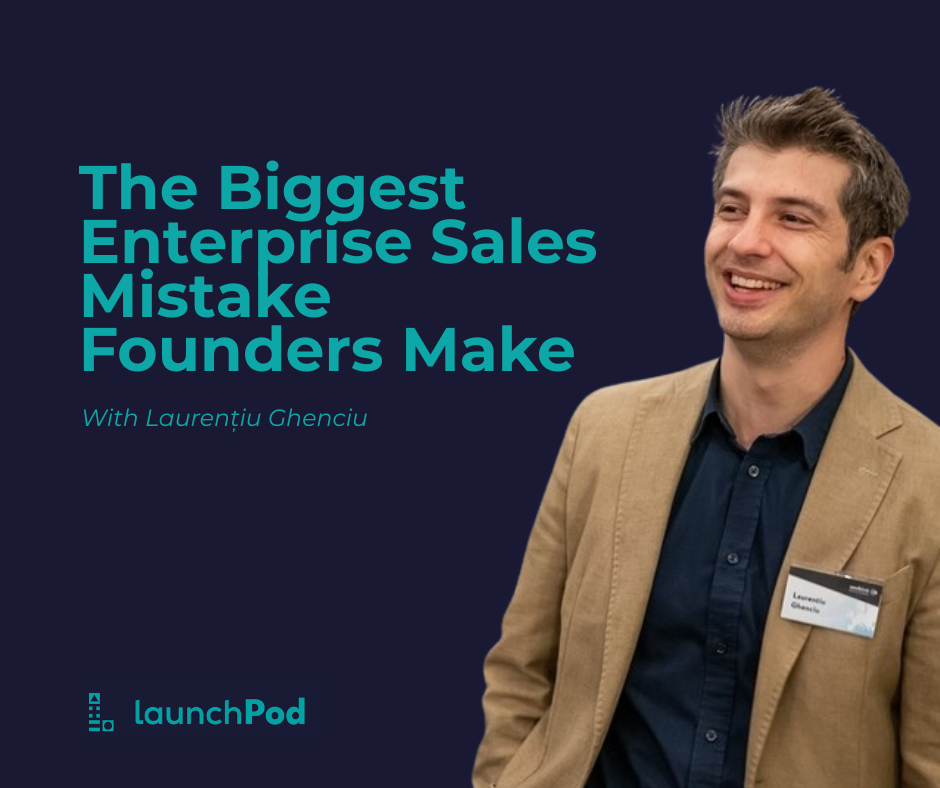
You have a solid product, good conversations, decent demos — and still, things don’t move forward. In a recent LaunchPod episode, I spoke with Laurențiu Ghenciu (Sales Consultant @ HatHawk) about why this happens so often, and what’s actually missing from many enterprise sales conversations.
One of the biggest mindset shifts in enterprise sales is realizing that the people approving the budget are usually not the ones suffering day to day.
They make decisions, but they don’t live with broken processes.
They don’t lose hours every week.
They don’t feel the operational pressure.
The real pain usually sits deeper in the organization — with teams trying to hit targets, managers stuck between expectations and execution, and people compensating daily for systems that don’t work. Enterprise sales doesn’t start with budget holders, and with understanding who is actually affected.
During the conversation, we talked about the idea of “victims” in enterprise sales. Not in a dramatic sense, but in a practical one. Victims are the people paying the price for inefficiency. They’re the ones adapting, fixing, compensating and firefighting. If you don’t understand them, your product might sound interesting, but it won’t feel urgent.
This is why so many enterprise conversations stall. The value is there, but it’s disconnected from real, lived problems. Without that connection, deals stay in the “nice to have” zone.
Another common mistake founders make is trying to create urgency where none exists.
Discounts, artificial deadlines or pressure tactics might work in small deals. In enterprise, they usually do the opposite. They raise doubts, reduce trust and slow things down. Real urgency doesn’t come from sales tactics. It comes from context.
Enterprise deals move when your solution aligns with priorities that already exist inside the organization. When not acting becomes riskier than acting. When the problem is already acknowledged internally.
In early enterprise sales, founders often outperform sales reps. Not because they’re better closers, but because they can sell understanding before selling a product. Founders can speak about the problem in depth. They can adapt the conversation on the fly. They can connect dots between business goals, operational pain and long-term impact.
Many early enterprise deals look more like consulting than classic sales. And that’s not a weakness — it’s usually the reason they work.
One of the strongest takeaways from the episode was this: lack of preparation is the biggest enterprise sales killer.
Not lack of confidence.
Not lack of product maturity.
Preparation.
Preparation means understanding the company, not just the industry. Knowing what initiatives are already in motion. Understanding internal pressures, constraints and incentives. In enterprise sales, relevance beats volume. One well-prepared conversation is worth more than dozens of generic outreach messages.
Enterprise buyers don’t want to be convinced, they want to feel understood. When founders shift from pitching to clarifying, from pushing to listening, conversations change. Trust builds faster. Decisions become clearer. And “let’s stay in touch” slowly disappears from the process.
Enterprise sales isn’t harder.
It’s just different.
And once you understand how it really works, it becomes far more predictable.
🎧 Listen to the full podcast episode here:
An initiative of Launch Romania powered by BCR with the support of Google and its founding partner How to Web and media partners start-up.ro.

Press Release, September 13, 2023 After a successful first edition organised in May 2023, Launch […]
Citeste mai mult
Ai o idee de business. Una în care crezi mult. Bun, bun, dar întrebarea e […]
Citeste mai mult
Comunicat de presă, 19 mai 2023 Două noi proiecte românești în industria de tehnologie pentru […]
Citeste mai mult
Comunicat de presă, 3 mai 2023 Launch Health Tech, primul eveniment dintr-o serie dedicată ecosistemului […]
Citeste mai mult
issued by Launch Community, an initiative of How to Web | Google for Startups | […]
Citeste mai mult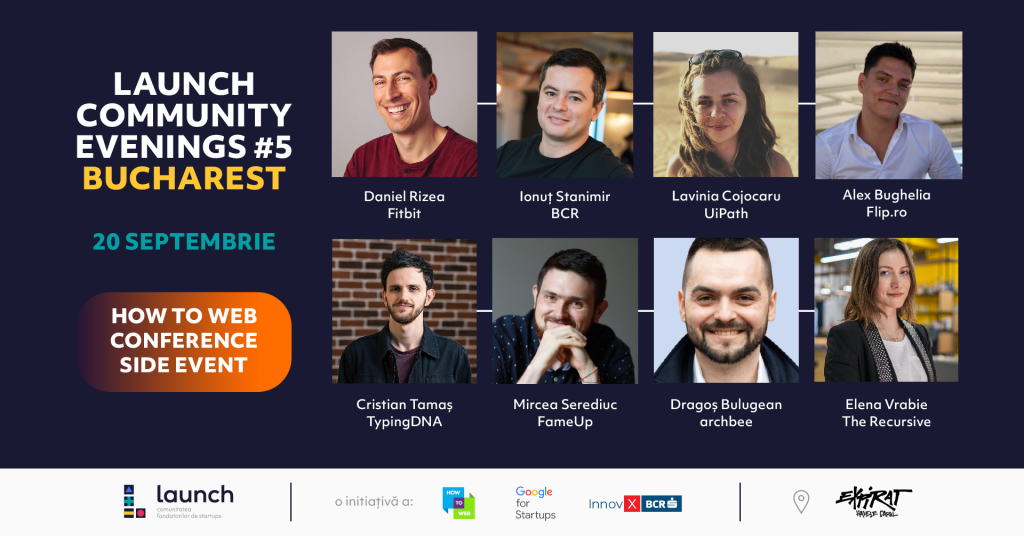
Scena locală de startup-uri, tehnologie și inovație se întâlnește pe 20 septembrie, înainte de How […]
Citeste mai mult
Scorul BRICE (găsești aici un template de framework) îți oferă un mod consistent de-a evalua, într-un mod obiectiv, viitoare sau potențiale dezvoltări de produs.
Citeste mai mult
Pirate metrics este printre cel mai cunoscut set de metrici și acronimul vine de la: Acquisition, Activation, Retention, Referral, Revenue.
Citeste mai mult
Lean Canvas răspunde unei nevoi cheie pentru startup-ul tău: aceea de documentare a planului pe care îl ai pentru acesta și, mai mult decât atât, te ajută să identifici asumpțiile majore pe care le ai.
Citeste mai mult
Pe lângă energie și entuziasm, într-un startup tech ai nevoie de un set de instrumente care să te ajute să dezvolți un produs de succes.
Citeste mai mult
Launch, comunitatea fondatorilor de startups este o inițiativă a How to Web, Google for Startups, […]
Citeste mai mult
În 2025, startup-urile din România au atras 103 milioane euro prin 40 de tranzacții, potrivit […]
Citeste mai mult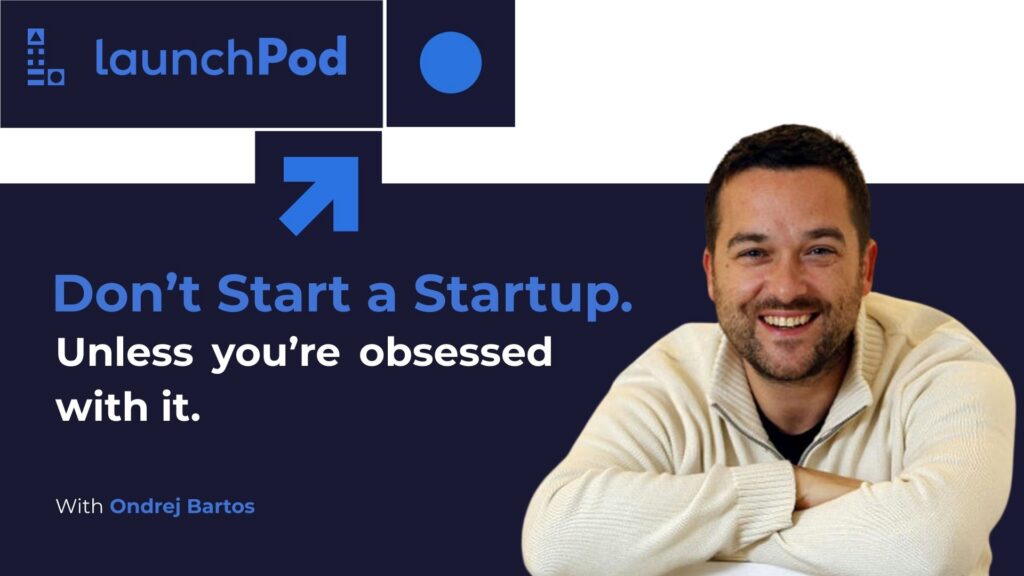
That’s the advice from Ondrej Bartos, General Partner at Credo Ventures. Not because startups aren’t […]
Citeste mai mult